
- 0 Comments
- Self Help
One difficult day can trigger all-or-nothing thinking about progress. Missed plans may quickly become stories of personal failure.
Learn More

One difficult day can trigger all-or-nothing thinking about progress. Missed plans may quickly become stories of personal failure.
Learn More
Tears can be one way the nervous system expresses overwhelm, loss or relief. Crying in a meeting may be embarrassing even when the response is understandable.
Learn More
Lighting, sound and physical surroundings can affect concentration and comfort. A buzzing light or crowded waiting area may make participation difficult.
Learn More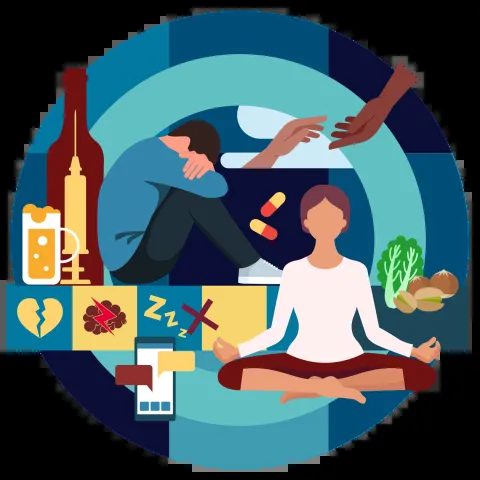
Selective views of other people’s lives can distort what normal coping looks like. You may compare their visible achievements with your private struggles.
Learn More
Hormonal changes can interact with sleep, stress and mental wellbeing. People may notice a recurring pattern across cycles or life stages.
Learn More
A trigger can evoke an unusually intense response connected with an earlier experience. The body may react before the person has words for what happened.
Learn MorePositive changes can also bring uncertainty, responsibility and grief for an earlier life chapter. A promotion or move may trigger anxiety alongside excitement.
Learn More
A long period of withdrawal can make ordinary social contact feel intimidating. You may imagine others are upset or that you have nothing to say.
Learn More
Persistent pain can affect sleep, relationships, attention and mood. Friends may not see the effort involved in ordinary activities.
Learn More
Parenthood, moving or illness can change friendship rhythms without removing affection. Assuming silence means rejection can increase distance.
Learn More