
- 0 Comments
- Self Help
Setting aside a brief period for non-urgent worries can reduce their spread through the day. Thoughts often feel more urgent when you try to suppress them entirely.
Learn More

Setting aside a brief period for non-urgent worries can reduce their spread through the day. Thoughts often feel more urgent when you try to suppress them entirely.
Learn More
Short pauses can interrupt escalating tension even when they cannot remove the stressor. People often wait until overwhelm is extreme before noticing what they need.
Learn More
People often overestimate how closely others observe their awkward moments. One small error can dominate your memory while others move on.
Learn More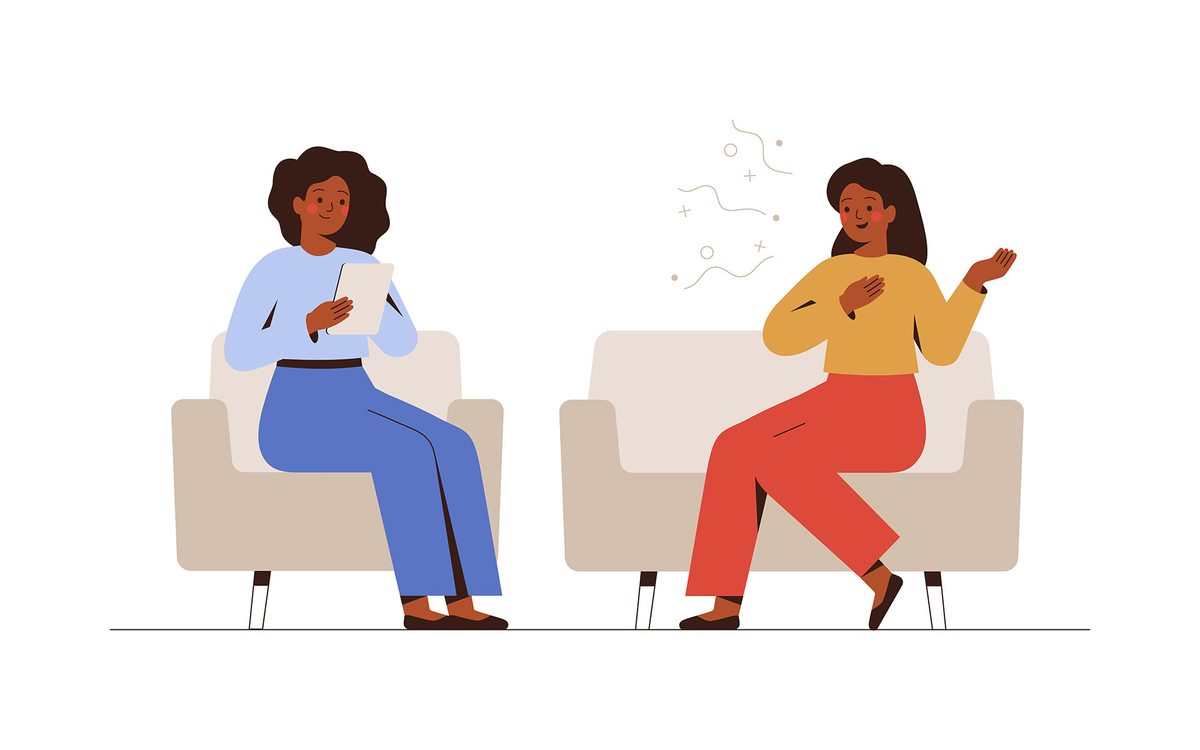
Repeated harmful experiences may shape beliefs about deserving care or safety. Self-blame can persist even when responsibility lies elsewhere.
Learn More
Sharing a home can reveal unspoken beliefs about money, privacy and chores. Small mismatches may become recurring conflict when they stay vague.
Learn More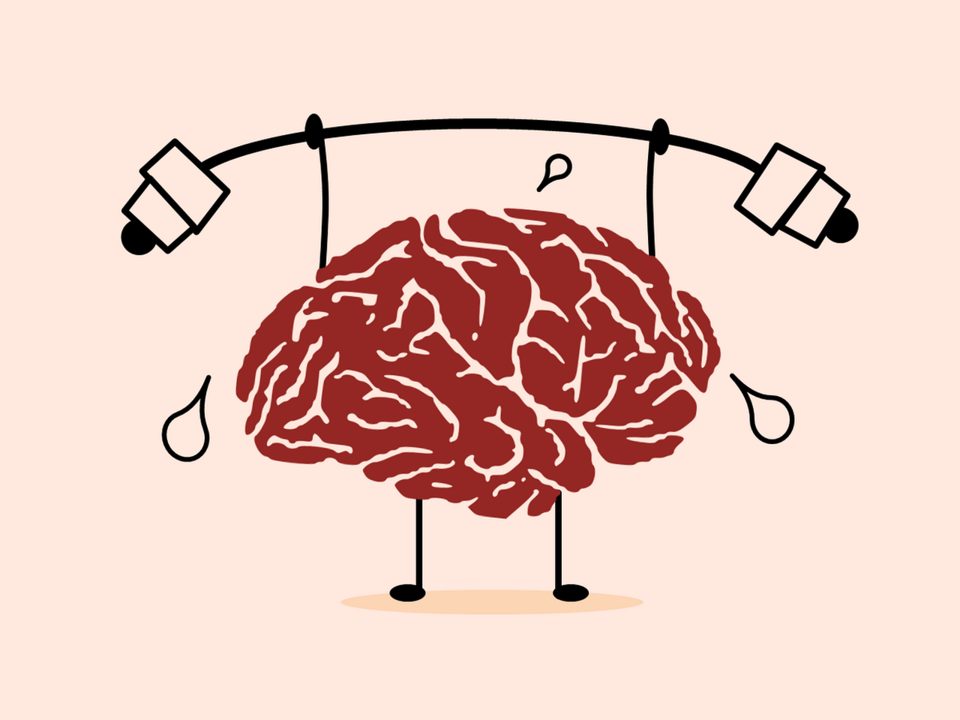
Regaining a sense of choice can be an important part of recovering from harm. People may have become accustomed to others overriding their needs.
Learn MorePeer relationships can have a large emotional impact during childhood. Exclusion, changing groups or online messages may dominate a child’s thinking.
Learn More
Stress can influence appetite, gut sensations and eating patterns through several pathways. People may notice nausea before meetings or changing digestion during high-pressure periods.
Learn MoreBrief notes can help you remember a useful insight without turning therapy into homework. Trying to record everything may increase self-monitoring or fatigue.
Learn More
People bring language, identity, family and cultural experience into the counselling room. Feeling misunderstood can make it harder to speak openly.
Learn More