
- 0 Comments
- Addiction and Recovery
Alcohol and other drug concerns can overlap with anxiety, depression, trauma and practical difficulties. Getting support does not require waiting for a crisis.
Learn More

Alcohol and other drug concerns can overlap with anxiety, depression, trauma and practical difficulties. Getting support does not require waiting for a crisis.
Learn More
Alcohol can affect sleep, mood, judgement and relationships. Some people drink to cope with distress, which can create a difficult cycle over time.
Learn More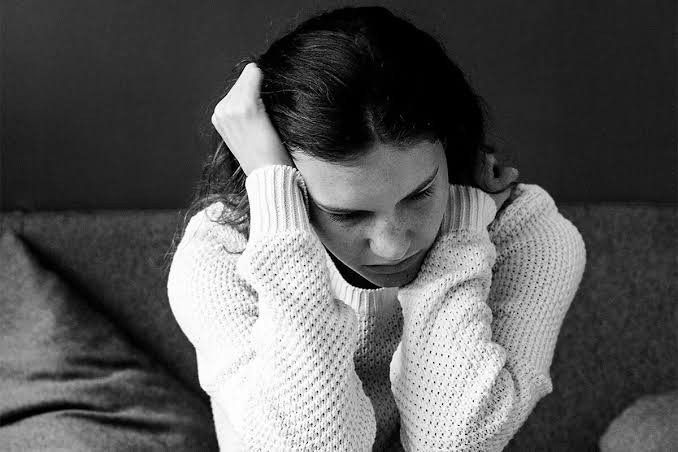
Harm reduction recognises that people need practical ways to reduce risk whether they are ready to stop a behaviour or not. It is grounded in dignity and safety.
Learn More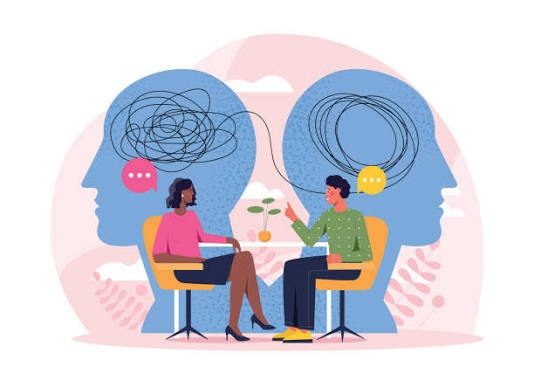
Cravings are urges that can arise around alcohol, other drugs, gambling or other behaviours. They can feel urgent without requiring an immediate response, and support is available.
Learn More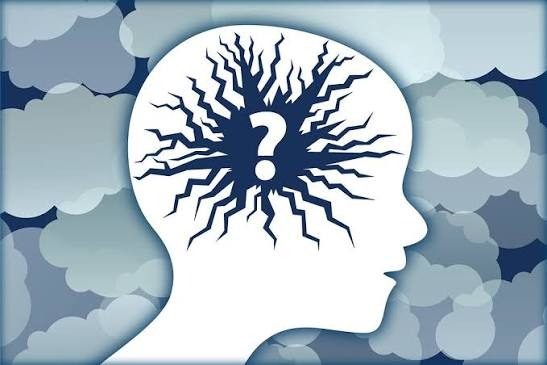
Transitions in school, routines or social settings may be especially demanding for some neurodivergent young people. Predictability and collaboration often help more than pressure.
Learn More
Some people experience particularly intense distress when they perceive criticism or rejection. Online shorthand can be useful, but it is not a diagnosis on its own.
Learn MoreDifficulty beginning, organising or shifting tasks can have many causes, including stress, depression, sleep problems and neurodevelopmental differences. The label matters less than understanding the pattern.
Learn More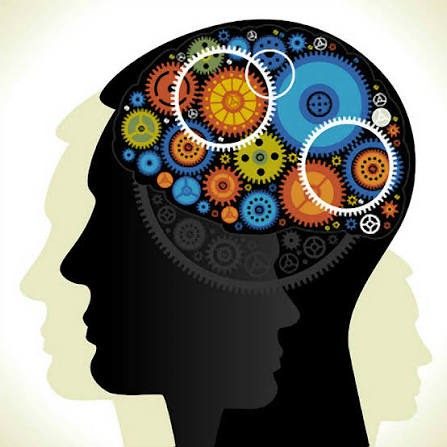
Neuroaffirming care respects neurological differences and works with the person’s own priorities. It does not frame every difference as a deficit to be corrected.
Learn More
Sensory overload can occur when sounds, lights, textures or multiple demands exceed a person’s capacity. People differ in what they find difficult and what helps.
Learn MoreMasking can involve concealing traits, discomfort or differences to meet social expectations. It may offer short-term protection while also carrying an emotional cost.
Learn More