

Cravings are urges that can arise around alcohol, other drugs, gambling or other behaviours. They can feel urgent without requiring an immediate response, and support is available.
There is rarely a single explanation. Looking at patterns with curiosity can reveal choices that are easy to miss when you are overwhelmed.
Looking beneath the surface
Substance use and behavioural addictions can involve biological, emotional and social factors. Shame rarely makes it easier to ask for care, and recovery goals may need to be revisited over time.
Some experiences worth recognising include:
- Stress and familiar cues can intensify urges.
- Guilt after an urge can make coping harder.
- Cravings may change over time rather than staying at one intensity.
When discussing a difficult topic, you can say what you do not want to discuss yet. A respectful practitioner can explain the purpose of an exercise and seek your consent.
Small, realistic ways forward
The following ideas are starting points, not a checklist you have to complete:
- Notice the time, place and feeling that preceded an urge.
- Contact a trusted support person or service.
- Make the next safe choice instead of focusing on forever.
Think small and specific. The point is to learn from an experiment, not to prove that you can control every emotion or outcome.

What to discuss with a professional
AOD and gambling services may use motivational interviewing, CBT and practical relapse-prevention planning. Sudden alcohol or drug withdrawal can be medically dangerous and needs professional advice.
Safety comes first. Withdrawal from alcohol or certain other substances may require medical supervision; professionals can also help address financial, family and mental health concerns alongside the behaviour itself.
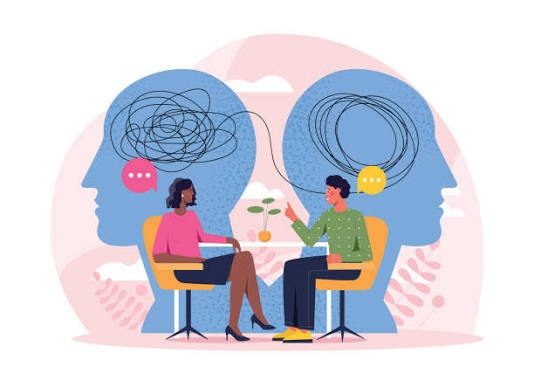
A useful conversation begins by describing a specific recent example: where you were, what you noticed and what happened next. There is no need to arrive with a polished explanation.
What improvement could look like
Consider whether everyday life is becoming more manageable: your energy, relationships, routines, sense of safety and ability to do what matters.
You might notice that difficult moments take up less room in your day, that you recognise your needs sooner, or that you feel more able to make considered choices. It is worth checking whether a strategy actually improves your life rather than simply making you look as though you are coping.
Difficult feelings are information, not instructions you must automatically follow.
A useful question to consider
What usually happens in the ten minutes before a craving grows?
You could use that question in a journal, reflect on it while walking, or bring it to a conversation with a professional or someone you trust. You do not have to find the perfect answer immediately. The purpose is to notice what matters and what support may be needed.
Knowing when to ask for help
Consider reaching out to a GP or qualified mental health professional if the issue continues, intensifies or affects sleep, relationships, work, study or everyday functioning. A professional can help you understand your options and whether further assessment or specialist care is appropriate.
Alcohol or other drug withdrawal can sometimes be dangerous. For confidential Australian advice, the National Alcohol and Other Drug Hotline is 1800 250 015. Gambling concerns can be discussed with Gambling Help Online.
Further reading: healthdirect: Alcohol, health and getting support. This article is general information and is not a diagnosis or a substitute for personal professional advice.
Explore Counselling with Backing U
Looking for practical, respectful support? Backing U Counsellors can help you explore your goals and next steps, with telehealth sessions by video or phone and in-person appointments in Southport, Gold Coast.
Book with Backing U Counsellors →
For general enquiries, contact assist@backingu.com.au. Counselling is not an emergency or crisis service.