

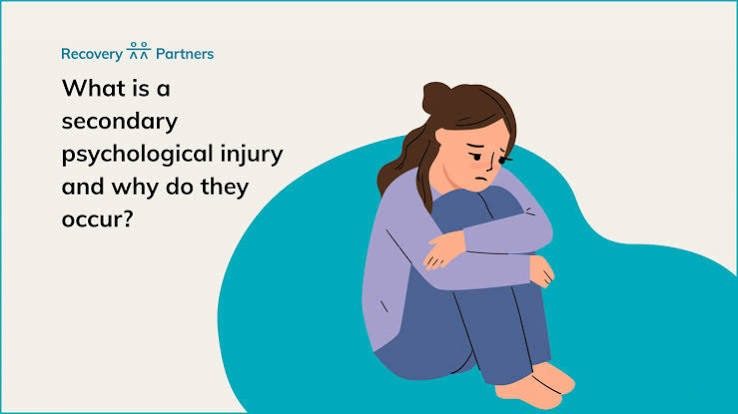
When mood is low, waiting to feel motivated before acting can keep life on hold. Behavioural activation builds manageable, purposeful activity without pretending effort is easy.
Making sense of a concern does not require criticising yourself for having it. Understanding and accountability can grow together.
Making sense of the experience
Mental health experiences vary in intensity, duration and impact. A description in an article may help you find language for what is happening, but it cannot determine whether you have a particular condition.
Some experiences worth recognising include:
- Withdrawal can reduce opportunities for pleasure and achievement.
- Large goals may deepen discouragement.
- Meaningful activities can be tiny and still count.
A useful conversation begins by describing a specific recent example: where you were, what you noticed and what happened next. There is no need to arrive with a polished explanation.
Approaches that may help
The following ideas are starting points, not a checklist you have to complete:
- Choose one five-minute task connected with your values.
- Balance practical chores with something pleasant or connecting.
- Note how you felt before and after without demanding instant improvement.
Treat these as options rather than instructions. If an exercise increases distress or creates a safety concern, stop and seek appropriate support.

Finding support that fits
Behavioural activation is an evidence-based component of treatments for depression. Work with a clinician when symptoms are severe or tasks feel unsafe or impossible.
If changes persist, affect daily functioning or feel unusual for you, a GP or qualified mental health professional can help consider psychological, physical and social factors together. Earlier support can prevent difficulties becoming more entrenched.
It is also worth looking at the practical conditions around the problem. Sleep, money, support networks, workload, access needs and physical health can shape how a person copes.
Noticing the small shifts
Progress may mean having more choices when the familiar reaction appears. It may also mean noticing a problem earlier and asking for help before it grows.
You might notice that difficult moments take up less room in your day, that you recognise your needs sooner, or that you feel more able to make considered choices. It is worth checking whether a strategy actually improves your life rather than simply making you look as though you are coping.
A realistic next step can be more valuable than another impossible standard.
A question to bring into a conversation
What small action would support your wellbeing even if motivation stays low today?
You could use that question in a journal, reflect on it while walking, or bring it to a conversation with a professional or someone you trust. You do not have to find the perfect answer immediately. The purpose is to notice what matters and what support may be needed.
Support and next steps
Consider reaching out to a GP or qualified mental health professional if the issue continues, intensifies or affects sleep, relationships, work, study or everyday functioning. A professional can help you understand your options and whether further assessment or specialist care is appropriate.
If someone is in immediate danger in Australia, call 000. For crisis support, Lifeline is available on 13 11 14. These services do not replace ongoing assessment or treatment.
Further reading: healthdirect: Mental illness and support. This article is general information and is not a diagnosis or a substitute for personal professional advice.
Talk with a Backing U Counsellor
You do not have to work through every challenge on your own. Backing U offers supportive counselling through telehealth appointments by video or phone, as well as in-person sessions at Southport on the Gold Coast.
Book with Backing U Counsellors →
For general enquiries, contact assist@backingu.com.au. Counselling is not an emergency or crisis service.