
- 0 Comments
- Psychology
Perfectionism can look like high standards on the outside while feeling like constant fear of mistakes on the inside. The issue is often the cost of those standards, not ambition itself.
Learn More

Perfectionism can look like high standards on the outside while feeling like constant fear of mistakes on the inside. The issue is often the cost of those standards, not ambition itself.
Learn More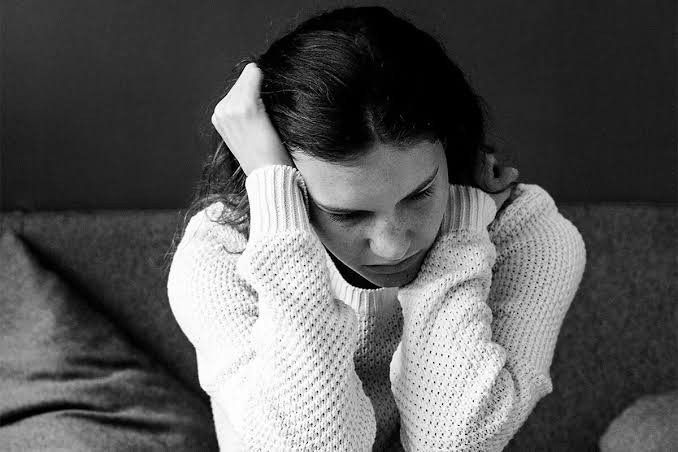
Obsessive-compulsive disorder involves unwanted intrusive thoughts and repetitive behaviours or mental rituals used to reduce distress. An intrusive thought does not define a person’s character.
Learn More
A phobia is a strong fear linked to an object, place or situation that may interfere with daily life. Avoidance can keep the fear powerful even when you understand the risk logically.
Learn More
Health anxiety can involve repeated fear about illness despite tests, information or reassurance. It can coexist with genuine medical conditions, so the goal is balanced care rather than ignoring symptoms.
Learn More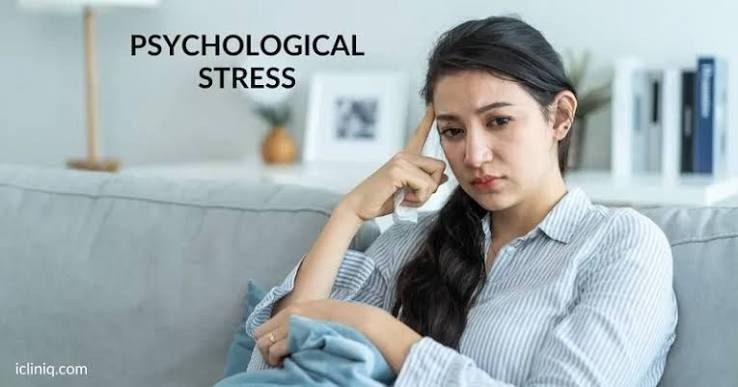
A panic attack can involve sudden intense fear and physical sensations such as a racing heart or breathlessness. Those sensations are real and frightening, even when no immediate danger is present.
Learn MoreSocial anxiety involves intense fear of being judged, embarrassed or rejected in social situations. It is different from simply preferring quiet time.
Learn More
Worry becomes particularly draining when it moves across many areas of life and is difficult to switch off. Persistent anxiety deserves care rather than a lecture to relax.
Learn More
A trusting working relationship helps counselling feel useful and safe. Professional qualifications matter, but so do communication, respect and an approach suited to your needs.
Learn More
Therapy goals are most helpful when they reflect what you want your day-to-day life to look like, not what you think a counsellor expects. Goals can change as you learn more about yourself.
Learn More
Online and in-person counselling can both offer meaningful support, but the right choice depends on privacy, access, preferences and clinical needs. Convenience is only one part of the decision.
Learn More