


Teenagers may be dealing with pressure, relationships, identity and change while still learning how to describe their experiences. Helpful conversations begin with curiosity rather than interrogation.
The details of your life matter here: culture, relationships, health, finances and previous experiences can change what is useful.
Why this can feel difficult
Children and teenagers develop emotional skills over time and may express distress differently from adults. Their circumstances, safety, learning needs and relationships all affect what support is useful.
Some experiences worth recognising include:
- A teen may share more while doing an activity than during a formal talk.
- Dismissing a concern as drama can shut communication down.
- Secrecy and withdrawal can have many different explanations.
It is also worth looking at the practical conditions around the problem. Sleep, money, support networks, workload, access needs and physical health can shape how a person copes.
Ideas you can begin with
The following ideas are starting points, not a checklist you have to complete:
- Choose a calm moment and ask one open question.
- Listen before offering advice.
- Seek professional assessment if mood, behaviour or safety concerns persist.
You do not need to practise every idea at once. Choose the one that feels safest and most realistic for the coming week.
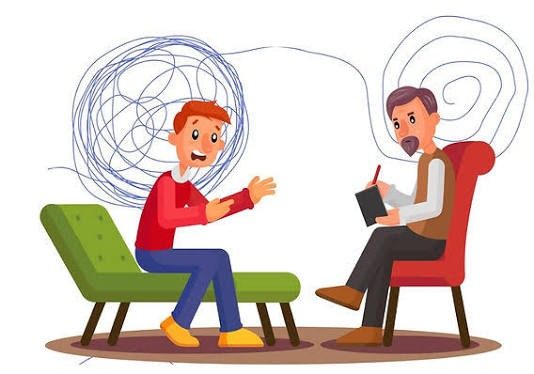
Exploring this in counselling
Youth mental health clinicians and GPs can guide assessment and support. Respecting the young person's privacy and involving them in decisions is important, subject to safety needs.
The most effective next step is often collaborative: listening to the young person, involving trusted adults and seeking appropriate health or education support when difficulties continue.
When a suggestion feels overwhelming, make it smaller. Breaking a step down or seeking practical help is not the same as avoiding the issue altogether.
Allowing change to happen gradually
Change can be uneven. A hard week does not automatically mean an approach has failed; it may show where an adjustment or extra support is needed.
You might notice that difficult moments take up less room in your day, that you recognise your needs sooner, or that you feel more able to make considered choices. It is worth checking whether a strategy actually improves your life rather than simply making you look as though you are coping.
There can be room for both compassion and responsibility.
Something worth asking yourself
What question would show interest without demanding an immediate answer?
You could use that question in a journal, reflect on it while walking, or bring it to a conversation with a professional or someone you trust. You do not have to find the perfect answer immediately. The purpose is to notice what matters and what support may be needed.
Getting further help
Consider reaching out to a GP or qualified mental health professional if the issue continues, intensifies or affects sleep, relationships, work, study or everyday functioning. A professional can help you understand your options and whether further assessment or specialist care is appropriate.
Young people may also benefit from a GP, school wellbeing staff or a youth mental health service. Involving the young person in decisions can help make the next step more useful.
Further reading: healthdirect: Counselling and support. This article is general information and is not a diagnosis or a substitute for personal professional advice.
Book with Backing U Counsellors
If you would like to explore this in a supportive setting, Backing U offers confidential, person-centred counselling. Choose telehealth by video or phone, or discuss an in-person appointment in Southport on the Gold Coast.
Book with Backing U Counsellors →
For general enquiries, contact assist@backingu.com.au. Counselling is not an emergency or crisis service.