

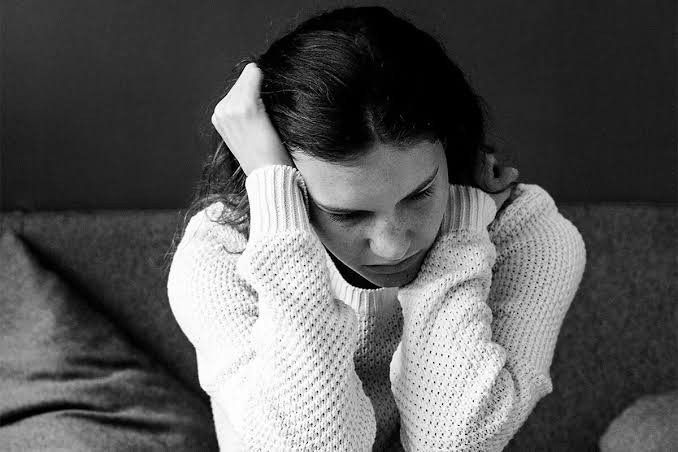
Post-traumatic stress disorder can develop after exposure to traumatic events and may involve intrusive memories, avoidance and an ongoing sense of threat. Not everyone who experiences trauma develops PTSD.
There is rarely a single explanation. Looking at patterns with curiosity can reveal choices that are easy to miss when you are overwhelmed.
Looking beneath the surface
Trauma-informed support recognises that emotional safety, predictability, choice and consent are central to recovery. No one should be pressured to tell a detailed story before they are ready.
Some experiences worth recognising include:
- Nightmares or unwanted memories can interrupt daily life.
- Certain places may become difficult to visit.
- Heightened alertness may make relaxation feel unsafe.
When discussing a difficult topic, you can say what you do not want to discuss yet. A respectful practitioner can explain the purpose of an exercise and seek your consent.
Small, realistic ways forward
The following ideas are starting points, not a checklist you have to complete:
- Speak to your GP or a trauma-qualified clinician about symptoms.
- Maintain supportive daily routines.
- Avoid pressuring yourself to recount traumatic details without professional guidance.
Treat these as options rather than instructions. If an exercise increases distress or creates a safety concern, stop and seek appropriate support.
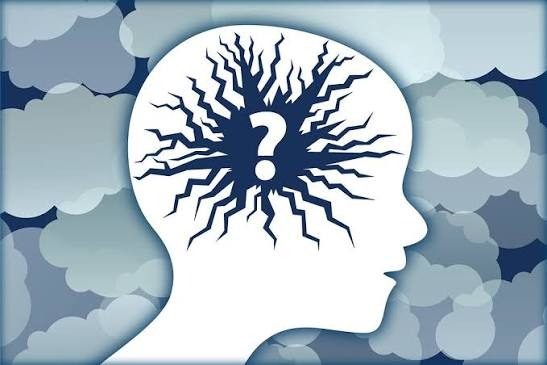
What to discuss with a professional
Evidence-based options include trauma-focused psychological treatments such as trauma-focused CBT and EMDR, chosen according to assessment and preference.
Strategies that help one person can be unhelpful or activating for another. Professional support may be especially important when symptoms affect safety, sleep, relationships or the ability to manage everyday life.
A useful conversation begins by describing a specific recent example: where you were, what you noticed and what happened next. There is no need to arrive with a polished explanation.
What improvement could look like
Consider whether everyday life is becoming more manageable: your energy, relationships, routines, sense of safety and ability to do what matters.
You might notice that difficult moments take up less room in your day, that you recognise your needs sooner, or that you feel more able to make considered choices. It is worth checking whether a strategy actually improves your life rather than simply making you look as though you are coping.
A small change that you can repeat is often more useful than a perfect plan.
A useful question to consider
Which symptoms are affecting your daily life most, beyond the memory itself?
You could use that question in a journal, reflect on it while walking, or bring it to a conversation with a professional or someone you trust. You do not have to find the perfect answer immediately. The purpose is to notice what matters and what support may be needed.
Knowing when to ask for help
Consider reaching out to a GP or qualified mental health professional if the issue continues, intensifies or affects sleep, relationships, work, study or everyday functioning. A professional can help you understand your options and whether further assessment or specialist care is appropriate.
For experiences involving current violence or coercive control, prioritise safety. In Australia, 1800RESPECT provides confidential information and specialist support on 1800 737 732.
Further reading: healthdirect: PTSD and treatment. This article is general information and is not a diagnosis or a substitute for personal professional advice.