
- 0 Comments
- Addiction and Recovery
You can express concern and offer options without controlling another person’s decisions. Repeated arguments may drain families without producing change.
Learn More

You can express concern and offer options without controlling another person’s decisions. Repeated arguments may drain families without producing change.
Learn More
Lighting, sound and physical surroundings can affect concentration and comfort. A buzzing light or crowded waiting area may make participation difficult.
Learn More
One difficult day can trigger all-or-nothing thinking about progress. Missed plans may quickly become stories of personal failure.
Learn More
Selective views of other people’s lives can distort what normal coping looks like. You may compare their visible achievements with your private struggles.
Learn More
Tears can be one way the nervous system expresses overwhelm, loss or relief. Crying in a meeting may be embarrassing even when the response is understandable.
Learn More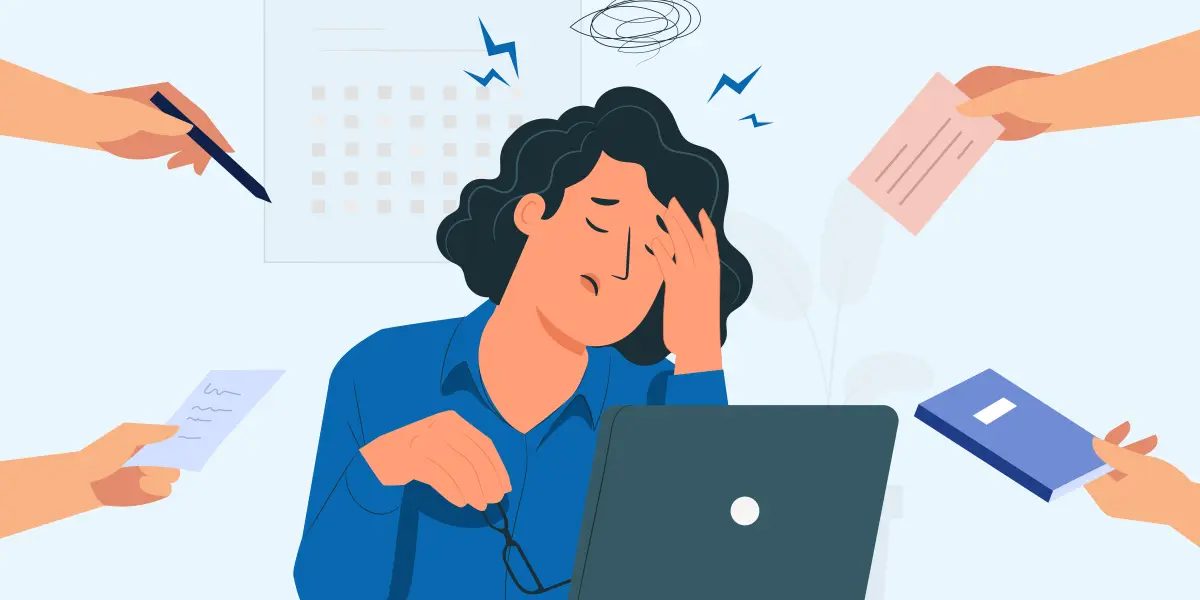
Psychological safety involves being able to raise ideas and concerns without unnecessary interpersonal risk. Silence in meetings may reflect fear, hierarchy or previous reactions to mistakes.
Learn More
Team tension often escalates when assumptions travel through third parties. People can become focused on motives rather than observable behaviour.
Learn More
An upsetting workplace event can affect staff differently and at different times. Some people want to talk immediately while others need privacy and routine.
Learn MoreA trigger can evoke an unusually intense response connected with an earlier experience. The body may react before the person has words for what happened.
Learn More
Hormonal changes can interact with sleep, stress and mental wellbeing. People may notice a recurring pattern across cycles or life stages.
Learn More