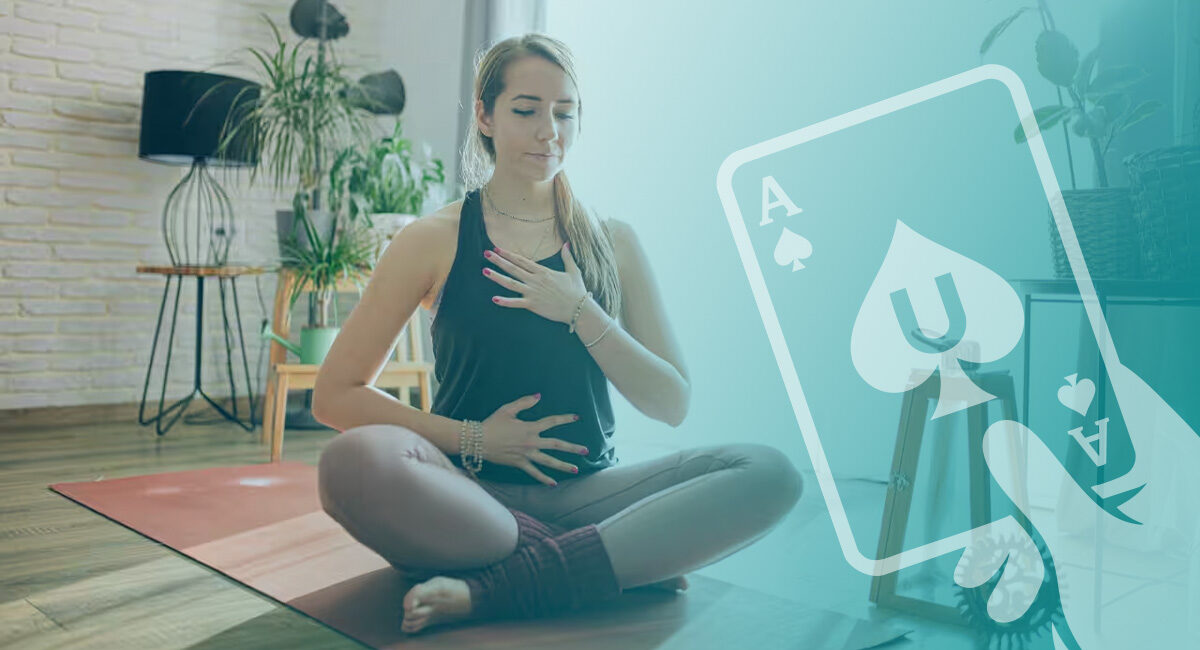
When stress hits hard, your breathing can change before you even realise it. Your heart may race, your muscles can tense, your thoughts can speed up, and your breathing may become faster, shallower or more difficult to control.
High-Stress Breathing is a practical 10-module course designed to teach you simple breathing and grounding techniques that can be used when stress, pressure, anxiety, frustration or overwhelm starts to build.
Throughout the course, you’ll learn how to recognise changes in your breathing, slow and regulate your breathing comfortably, use a longer exhale, combine breathing with grounding techniques, manage racing thoughts, and create a personalised breathing routine for stressful situations.
You’ll also learn practical techniques that can be used in everyday situations — including before a difficult conversation, during workplace pressure, when emotions are escalating, or when you simply need a moment to regain your composure.
This course is suitable for anyone who wants practical tools to better manage moments of high stress and emotional pressure. It can be particularly useful for people experiencing workplace stress, anxiety, overwhelm, frustration, difficult conversations, performance pressure or situations where they need to regain a sense of calm and control.
You don’t need any previous experience with breathing exercises or meditation.
The techniques throughout this course are designed to be simple, discreet and practical. You can practise them at home and then use them when you need them most – at your desk, before an appointment, during a stressful conversation, or simply when you notice your stress beginning to rise.
The goal isn’t to make stress disappear. It’s to give you a practical tool that can help you slow down, create a little space, and choose your next response rather than automatically reacting.
Start learning the skills today and build your own High-Stress Breathing Toolkit.


In this lesson, you’ll learn why slowing your breathing can help your body settle during moments of stress or tension. We’ll introduce the idea of slow, comfortable breathing and explore why the aim isn’t to take huge breaths, but to find a gentle rhythm that feels natural and easy to maintain.

Learn why effective breathing exercises aren’t about taking the biggest breath possible. This lesson explores gentle, comfortable breathing, what over-breathing can feel like, and how to recognise when you’re trying too hard. You’ll learn to focus on slowing the pace rather than increasing the size of each breath, preparing you for the Reset Breath technique in the next lesson.

Learn the 4–6 Reset Breath — a simple technique using a gentle 4-second inhale and 6-second exhale. You’ll learn how to find a comfortable breathing rhythm, adjust the timing when needed, and follow along with a guided breathing practice.
Put everything you’ve learned into practice with a guided Reset Breath exercise. You’ll get comfortable, relax your shoulders and follow a gentle 4-second inhale and 6-second exhale for 60–90 seconds before returning to normal breathing and noticing how you feel.
Discover what can happen to your breathing when stress rises and why the exhale may become short, abrupt or incomplete. You’ll learn how allowing your exhale to last a little longer can provide a simple structure for slowing your overall breathing pattern.
Main focus:
Stress → shorter/faster breathing → notice the exhale → gently give it more time.
Learn how to make your exhale a little longer without pushing, squeezing or holding your breath. This lesson will help you recognise the difference between a smooth, comfortable exhale and one that feels forced, while reinforcing the most important rule of the technique: comfort comes first.



No previous experience with breathing exercises, meditation or mindfulness is required. This course is designed to be accessible to beginners and can be completed at your own pace.
To get the most from the course, you will need:
Important: All breathing exercises should be comfortable and unforced. You should never deliberately push yourself to the point of dizziness, faintness, chest pain or significant discomfort. If you have a medical condition that affects your breathing or cardiovascular system, consider speaking with an appropriate healthcare professional before beginning the exercises.
This course is designed for adults who want practical, evidence-informed strategies to better manage stress, anxiety, pressure and emotional overwhelm in their daily lives.
It is suitable for:
No prior knowledge or experience with breathing exercises, mindfulness or meditation is required. The course is suitable for beginners and provides practical techniques that can be easily integrated into everyday life.