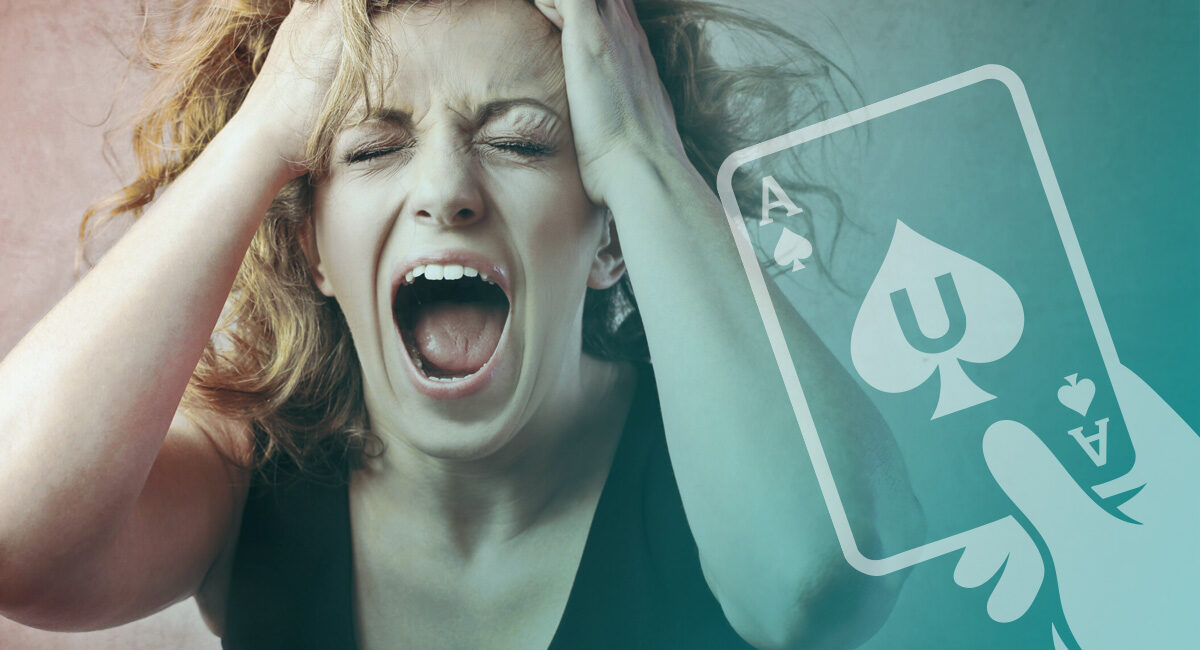
Emotional Regulation Toolkit is a practical self-paced wellbeing course for people who want more control over what they do when emotions become intense. It covers anger, frustration, anxiety, overwhelm, conflict, self-criticism and the recovery period after strong emotional reactions.
The course does not teach learners to suppress emotion or stay calm at all costs. Instead, it builds the ability to notice activation earlier, understand triggers and body warning signs, create a pause, ground attention, choose a useful response and recover after difficult moments.
Across ten modules, learners build a personal Green–Amber–Red escalation map, regulation pause routine, anger and anxiety strategies, overwhelm reset, conflict scripts, balanced self-talk, recovery plan and final one-page Emotional Regulation Toolkit.
Approximately 5 hours 55 minutes
Emotional Regulation Toolkit is an educational wellbeing course. It provides general self-management strategies and is not medical, psychological or psychiatric treatment. If emotional reactions are severe, persistent, associated with violence or safety concerns, or significantly affecting everyday functioning, seek appropriate professional support.


Emotional Regulation Toolkit is an unaccredited personal development and wellbeing course designed for general educational purposes.
The course provides practical information and self-management strategies relating to emotional awareness, anger, frustration, anxiety, overwhelm, communication, self-talk and emotional recovery.
It is not medical, psychological, psychiatric or counselling treatment and is not intended to diagnose, treat or cure any mental health condition.
Participants should modify, pause or stop any exercise that causes significant distress, panic, dissociation or worsening symptoms. You do not need to revisit traumatic or highly distressing experiences to participate in the course.
If emotional reactions are persistent, severe, difficult to control, contributing to unsafe behaviour or significantly affecting relationships, work or everyday functioning, appropriate professional support should be considered.



No previous mental health, mindfulness, counselling or emotional regulation training is required. This course is designed to be practical, beginner-friendly and completed at your own pace.
There is no expectation that you remain calm all the time or eliminate difficult emotions. The aim is to become better at noticing emotions, regulating intensity and choosing how you respond.
Important: Some exercises involve noticing emotions, body sensations or recent difficult situations. You do not need to revisit highly distressing experiences to complete the course. Modify, pause or stop an exercise if it becomes significantly uncomfortable or overwhelming.
This course is suitable for adults who want practical tools for managing emotional reactions and responding more deliberately during stressful situations.
It may be particularly useful for: